
Children’s therapy in BangaloreEstablished 2014 · Kalyan Nagar & Dr. Shivarama Karanth Nagar
CallWhatsAppGet in touch
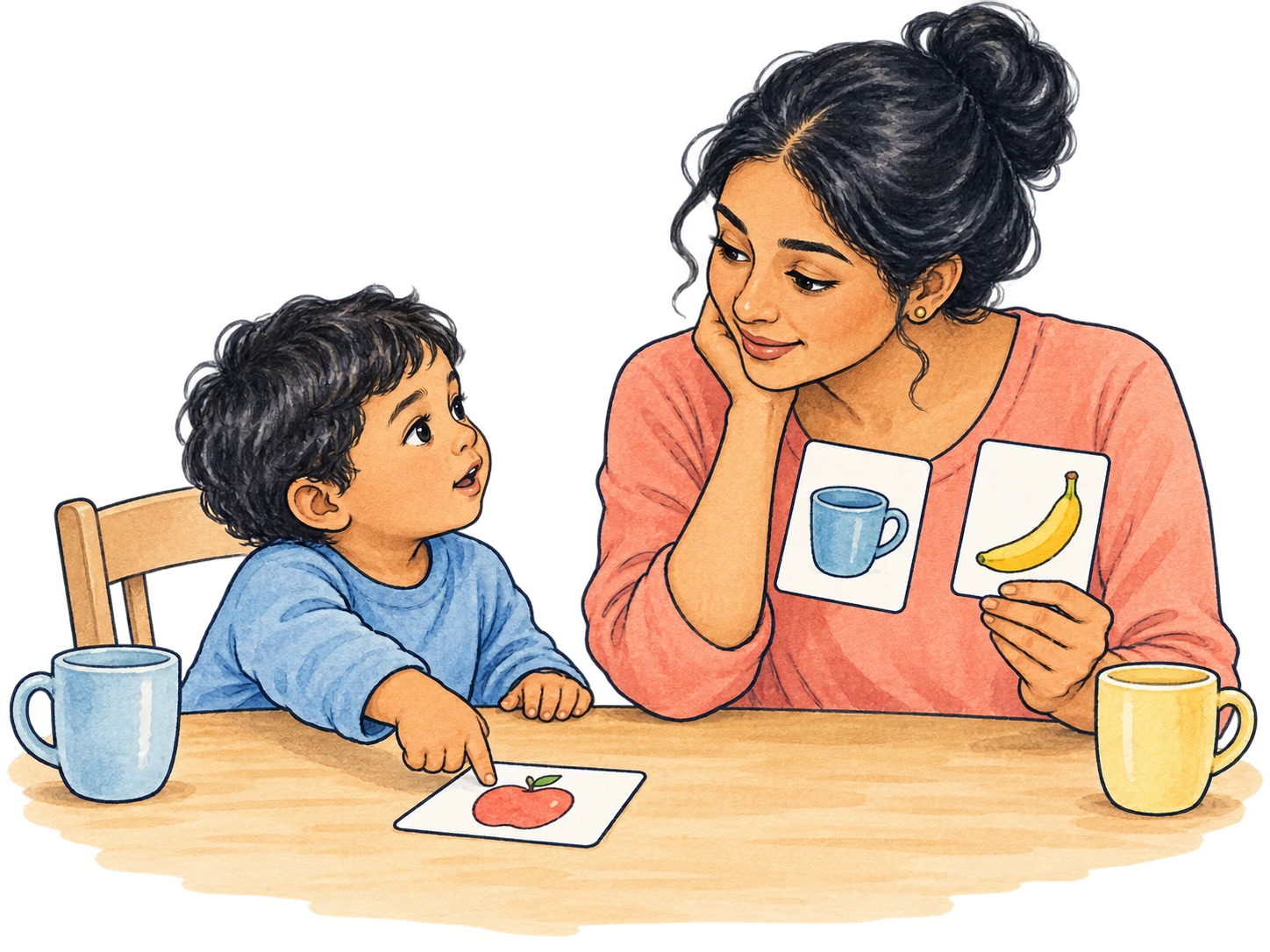
A parent and child sit at a table and look at picture cards together, with the child choosing a card to ask for something
Illustration of a typical activity, not a photograph of a Cornerstone session.

Speech & language therapy

Speech & language therapy for children

Words are late, speech is unclear, or talking gets stuck. You do not need a diagnosis to ask what might help.

Consultation and assessment fees are explained before booking.

Could speech therapy fit this concern?

For toddlers late to talk, preschoolers with unclear speech or stammering, and school-age children whose language affects daily life. No diagnosis is needed to begin.

What progress can look like

Progress usually looks like more attempts, words that land closer to the target, then language your child chooses to use. We set visible goals and review them about every four months.

Where it runs
Speech and language therapy is available at both centres.
What happens first
A conversation, then an assessment if it would answer the question.
Cost to expect
Sessions start at ₹900; consultation ₹1,000. Detailed evaluation is quoted first.

No therapist can give a fixed date when a child will speak. We start from where your child is today.

Is it just play?

How a speech goal moves from play to home.

It can look like playing, and the play is doing a job. Here is what gets chosen, why, and what a parent can carry into the week.
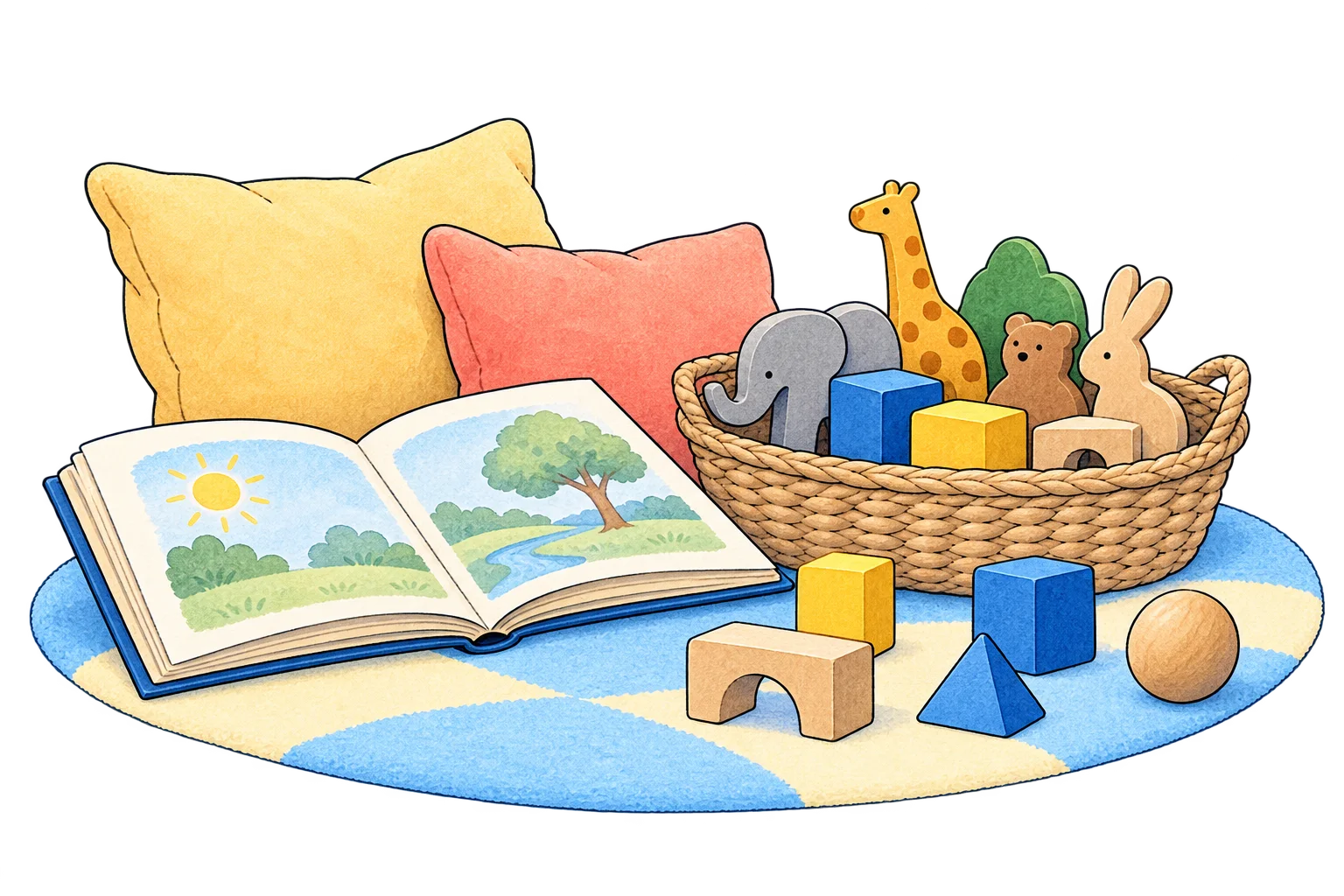
  1. An open picture book, cushions, wooden animal figures and blocks arranged on a play mat
    Illustration.
    The activity

    A game your child wants to keep going

    The therapist picks a game your child already enjoys, then builds turns, choices, and asking into it. Your child sees fun; the therapist sees a planned target.

  2. Picture cards, a wooden elephant, a handheld mirror and blocks arranged as communication materials
    Illustration.
    The purpose

    One sound, word, or turn has been chosen

    An activity may focus on a chosen target: a sound, a word pattern, or a turn in conversation. The materials are chosen for that target, not picked at random.
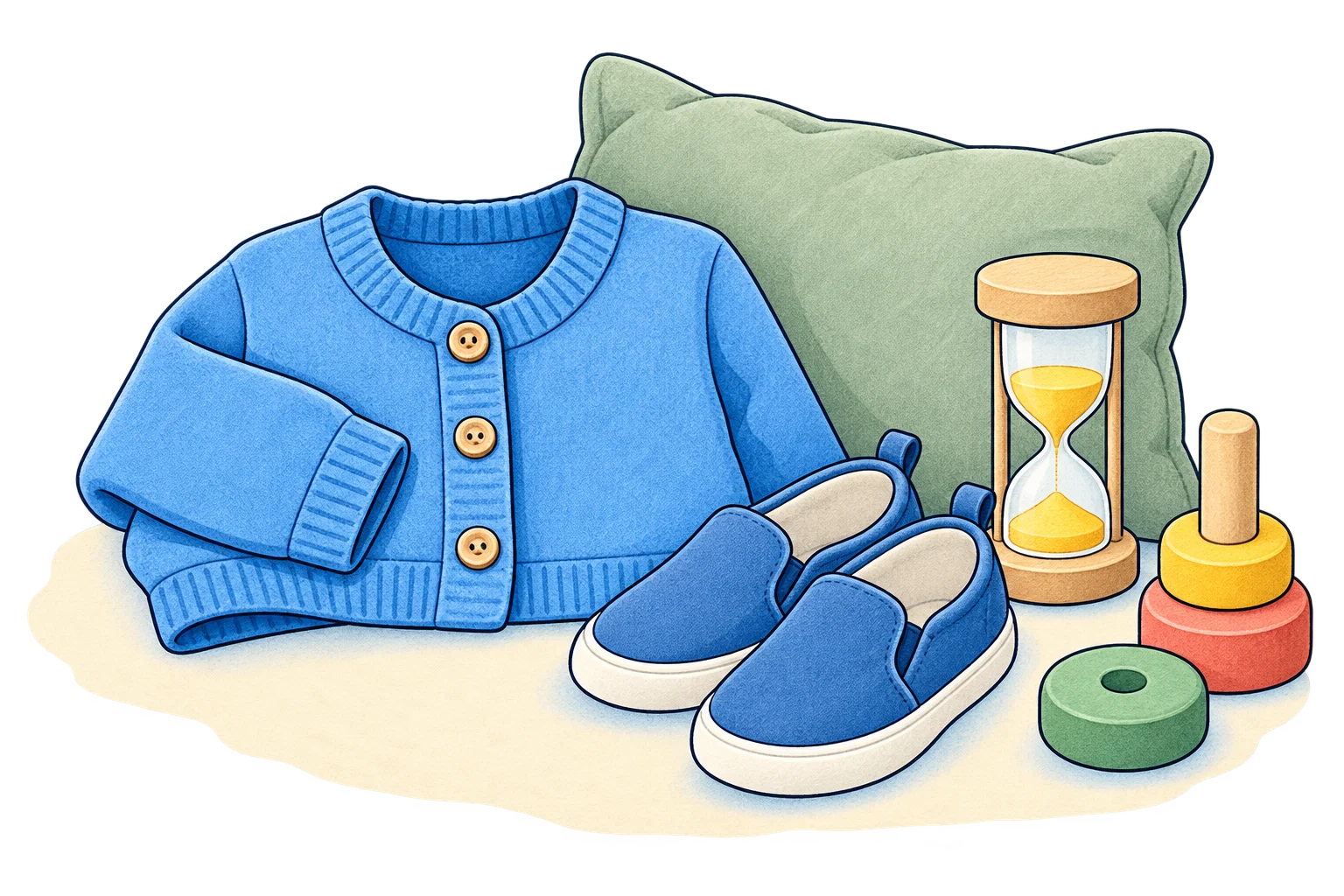
  3. A folded jumper, a pair of shoes, an hourglass and stacking toys arranged as everyday routine objects
    Illustration.
    At home

    One small thing to try between visits

    We explain what was worked on and one practical next step to try in ordinary routines, because you are the person your child learns from most.

More detail

How play, home practice, and timing work

The session is planned before your child arrives. The therapist keeps track of what was worked on and coaches you in ways to practise during ordinary moments.

Our one shift runs Monday to Friday 9:00 am to 6:30 pm, with Saturday hours differing by centre. School-age evenings are our busiest hours, so mornings often have more room.

What speech & language therapy helps with

These are some of the worries families bring to us.

  • “He isn’t talking yet.”Past the age where words usually arrive, and only a few have, or none. Related: Not talking yet
  • Speech that’s hard to understand.Only you can decode it. Teachers and other children can’t, and your child knows.
  • Stammering.Words get stuck, sounds repeat, and your child starts avoiding speaking. Help works best early.
  • Understanding.Your child hears perfectly but doesn’t follow what’s said.

7 more topics to explore

More detail

Voice.

A voice that’s hoarse, strained, or hard to hear across a room, including in young children.

More detail

Feeding difficulties.

Trouble with certain textures, chewing, or mealtimes. We offer feeding-related therapy, and we’ll be plain that we do it without a specialised feeding clinic’s equipment or rooms. If your child needs that level of service, we’ll say so and help you find it.

More detail

Communication with autism.

Children with autism often need a different path to communication, and speech therapy helps build it.

More detail

Childhood Apraxia of Speech (CAS).

When a child knows what to say but the brain struggles to plan the movements for speech, words come out inconsistently and with effort. Our clinicians use approaches such as PROMPT and DTTC (Dynamic Temporal and Tactile Cueing) to build reliable, accurate speech movements.

More detail

Echolalia and Gestalt Language Processing (GLP).

Some children repeat phrases they have heard, or learn language in whole chunks rather than one word at a time. This pattern is called Gestalt Language Processing, and it is a real path to language. Rather than asking a child to stop, we work with those chunks using naturalistic approaches until they grow into flexible, self-generated speech.

More detail

When talking isn’t the only way.

Some children are understood best through AAC: speech-generating apps and picture-based communication boards. We help families choose a system and use it in everyday life, so a child can communicate now while spoken language keeps growing.

More detail

Language holding school back.

A child who “can’t read” may simply not hear the sounds in words.

Who it’s for

From roughly 18 months through the school years: late words, unclear speech, stammering, or language that makes learning and friendships harder. No diagnosis is needed.

More detail

Who it’s for

Toddlers who are late to talk. Preschoolers whose speech is unclear or who stammer. School-age children whose language is holding back reading, writing, or friendships. Roughly from eighteen months through the school years.

Calling later than you wish you had? You won’t be met with “you should have come sooner.” No blame, no closed door. We start from where your child is today.

How we’ll know it’s working

We set visible goals, review them about every four months, and explain plainly when the plan needs to change.

More detail

How we’ll know it’s working

Here is what we promise: goals you can see, a review about once every four months, and plain talk when something isn’t working. A fixed date for when a child will speak is not something any therapist can give. What we can give is a clear plan, and a steady eye on your child’s progress.

Progress usually looks like this: more attempts in the first weeks, words that land closer to the target, then language your child chooses to use. It’s weeks and months, not days, and it isn’t a straight line. Plateaus are normal.

Questions parents ask

  • How much does it cost?

    Sessions start at ₹900, shown plainly on our Fees page. A consultation is ₹1,000, and a detailed speech-and-language evaluation is a separate, higher assessment priced on its own. We’ll tell you the figure before you book it.

  • How long will therapy take?

    Some children need months, others longer. After the assessment you’ll get a realistic picture, never a vague “we’ll see.”

  • How often are sessions?

    The therapist and you set the frequency together. It isn’t a template. We’ll recommend a frequency after the assessment and explain it. What you do at home counts as part of the therapy too.

  • Why start with an assessment?

    Because we don’t guess. It tells us what’s happening, whether therapy is even needed, and what to expect.

  • Can I be in the session?

    Often you’ll watch, sometimes join. And you’ll always be coached on what to do at home.

A proper assessment starts every story here

And it starts with one phone call. The first conversation is free, and where you are today is enough to begin. Call +91 70225 30530.

Talk to us first. It’s freeAsk about an assessment

Consultation and assessment fees are explained before booking.